Bray's Learning Curve

Each week, author Chris Bray lends his sharp insight and easy-to-understand analysis to help you improve your game. 

Chris is the author of multiple backgammon books, including Backgammon for Dummies, and is the backgammon columnist for The Times of London. 

Expert Backgammon Player and TeacherChris Bray Photo

A New Puzzle Every Week

Every Monday Chris posts an interesting backgammon position on our Facebook page.  We encourage you to join in the lively discussion and return here to our website on Tuesdays to read his extended analysis. 

Bray’s Learning Curve in-depth analysis is one of the great benefits of a USBGF membership.

Explore by topic:
Explore all (in date order):

The vagaries of the dice mean you will constantly have to update that plan but at any point in time, you should always have a clear idea of what you are trying to achieve.

Before neural net computers nobody would get this problem correct.

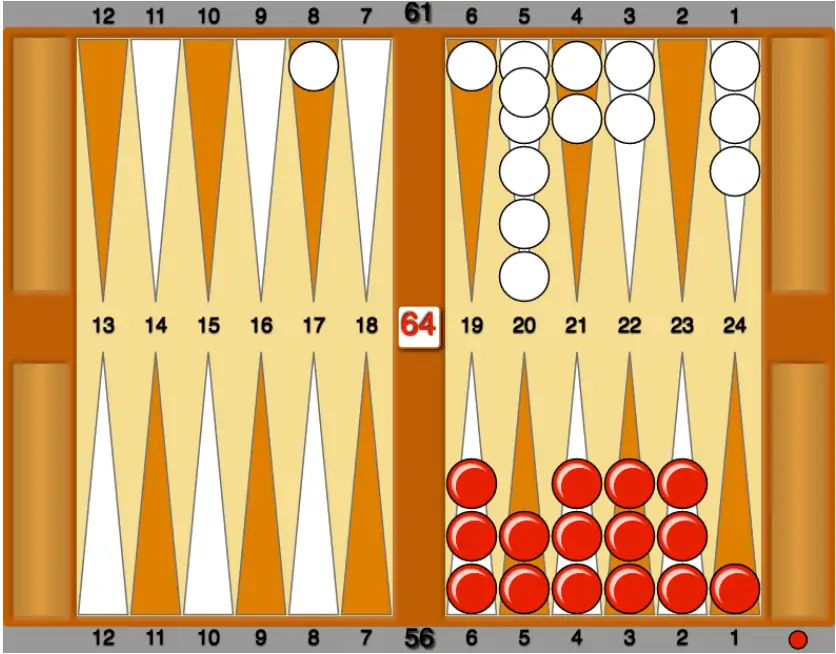
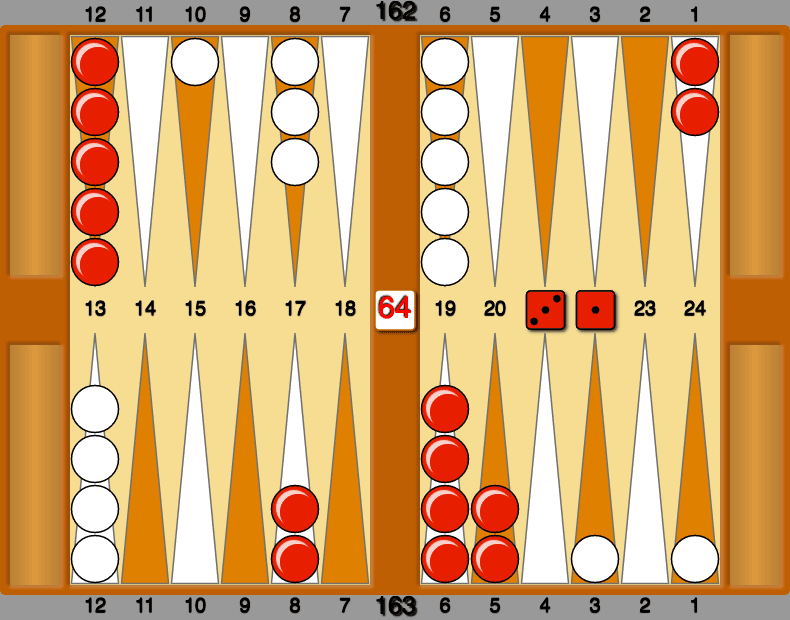
After Red’s forced five, bar/20, he has a choice of four fours.

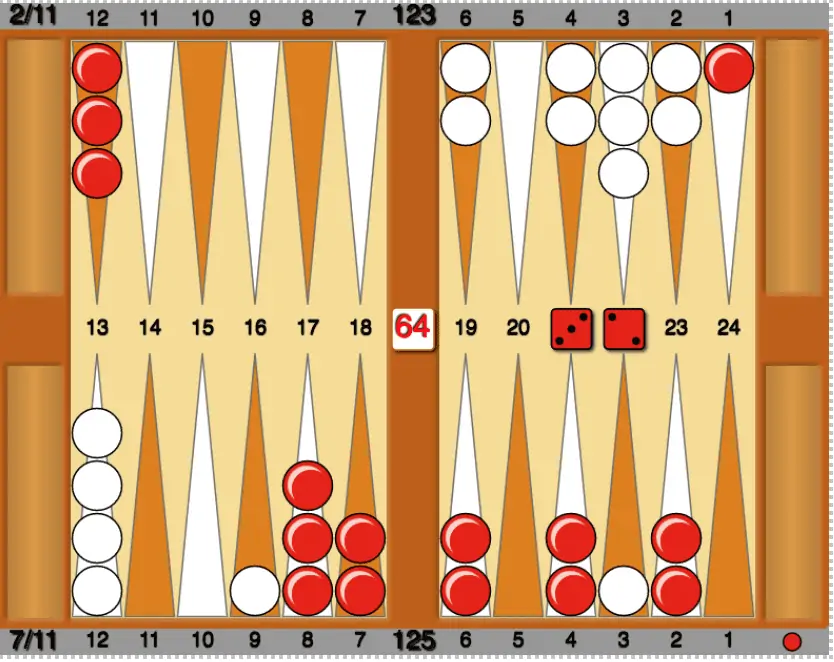
This position arises after Red 52: 13/11, 13/8, White 21: 24/23, 13/11. Now Red has a 51 to play.

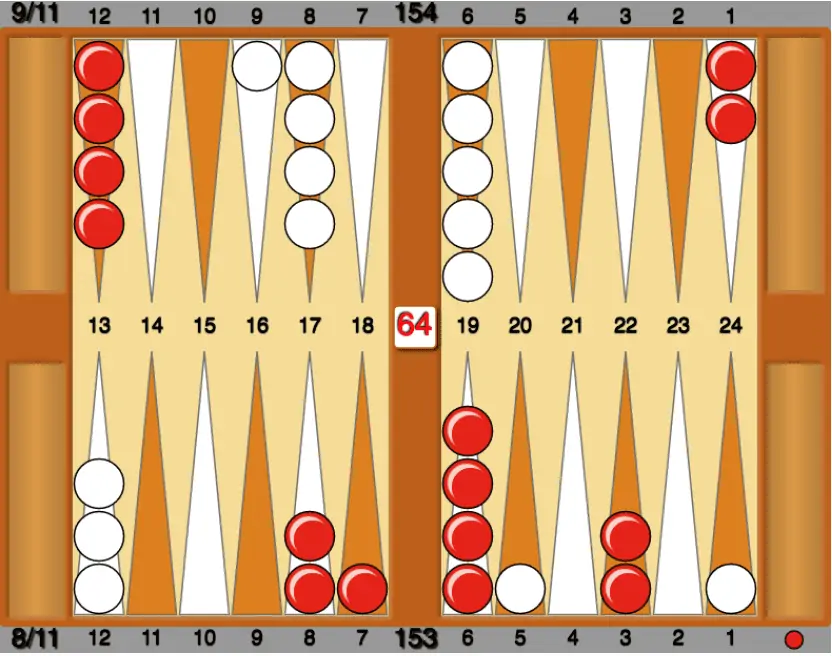
This position is taken from the US vs UK match in 1973, the first ever recorded backgammon match.

Once gain we examine the difference between money and match play.

In a money game a double here would be premature and XG rates it as a blunder (just)

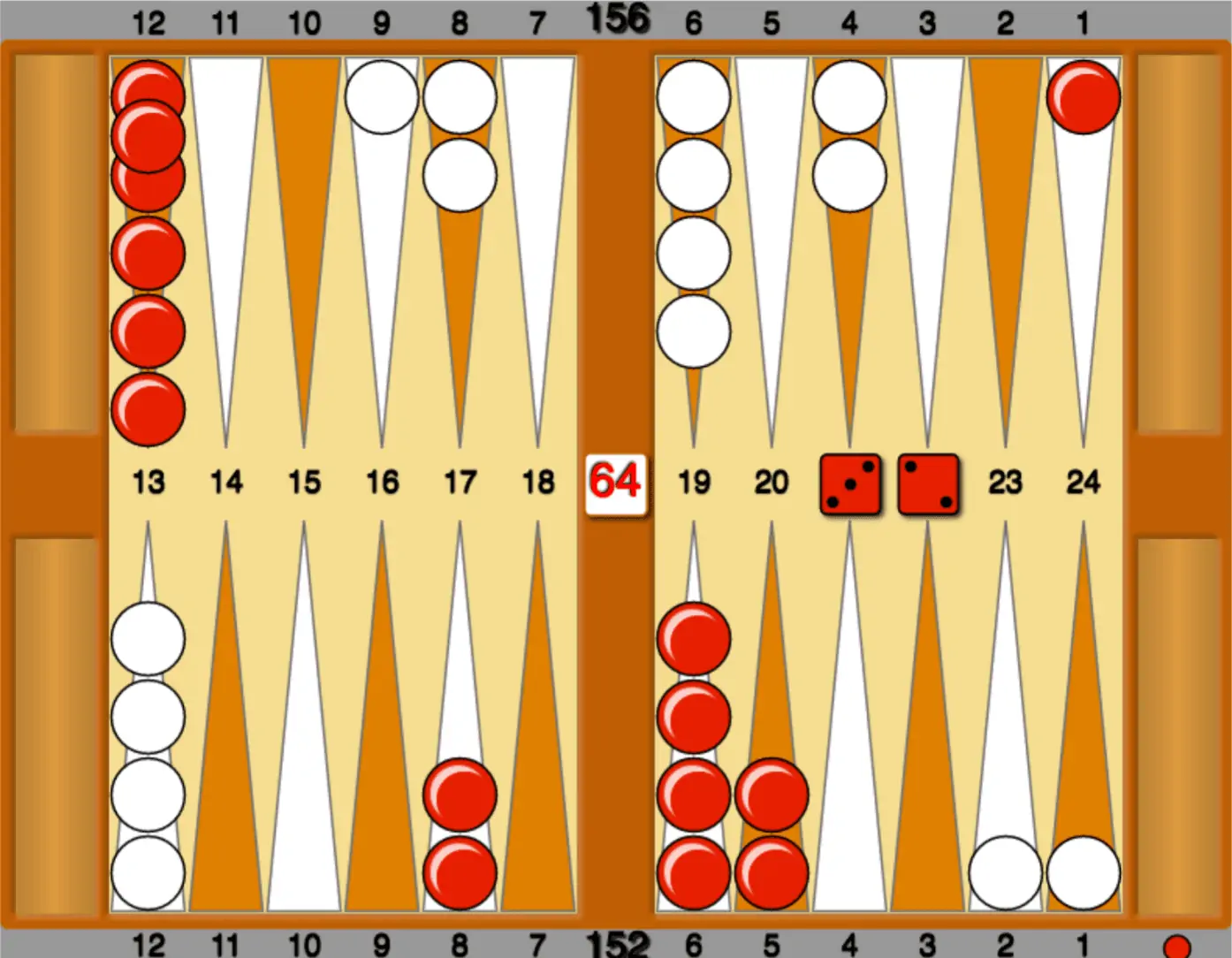
It looks as if both players have started with a 42 and Red now has another 42 to play. However, a closer look establishes that is not quite the case and Red trails in the race by 16 pips.