Bray's Learning Curve

Each week, author Chris Bray lends his sharp insight and easy-to-understand analysis to help you improve your game. 

Chris is the author of multiple backgammon books, including Backgammon for Dummies, and is the backgammon columnist for The Times of London. 

Expert Backgammon Player and TeacherChris Bray Photo

A New Puzzle Every Week

Every Monday Chris posts an interesting backgammon position on our Facebook page.  We encourage you to join in the lively discussion and return here to our website on Tuesdays to read his extended analysis. 

Bray’s Learning Curve in-depth analysis is one of the great benefits of a USBGF membership.
Explore by topic:
Explore all (in date order):

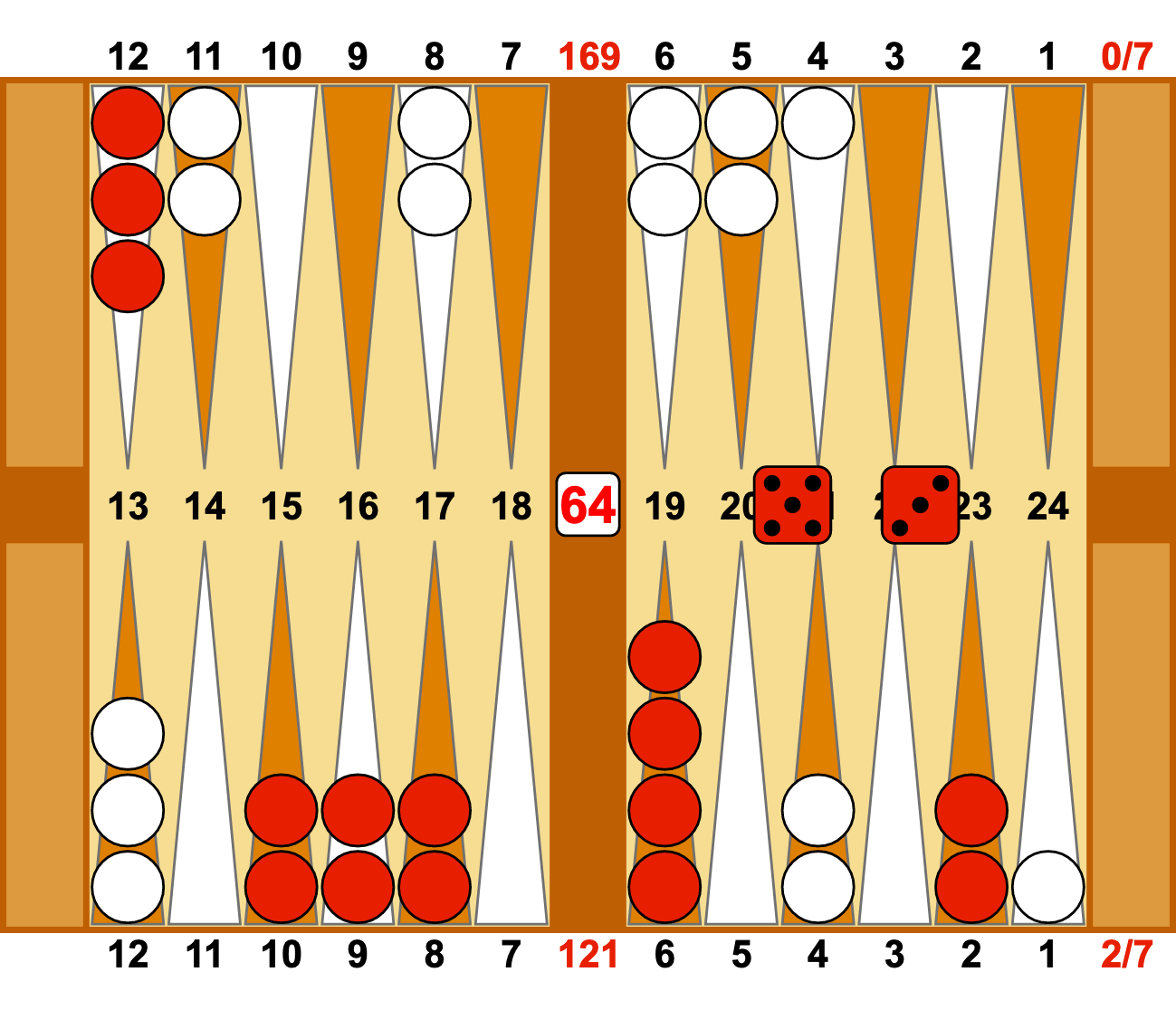
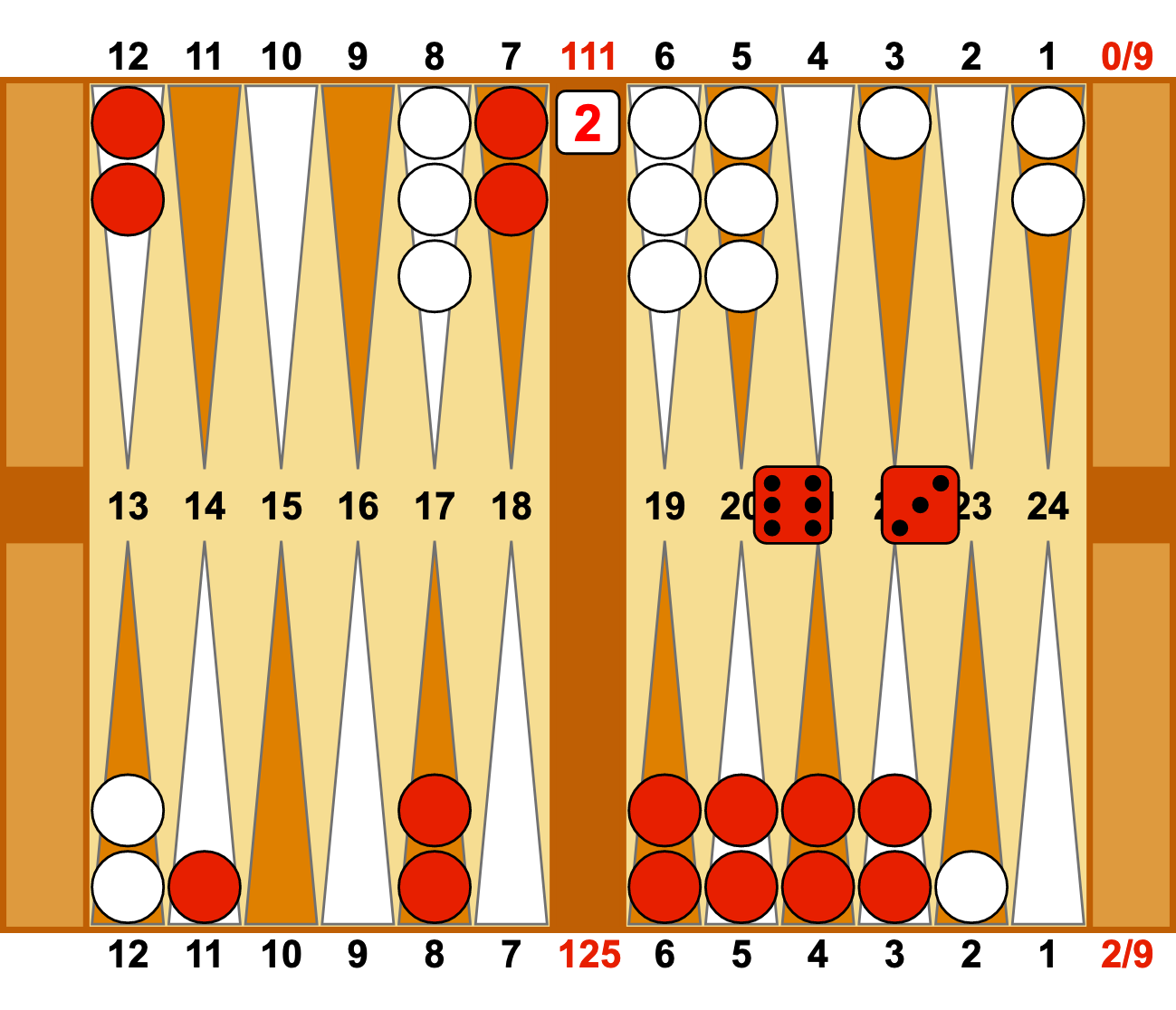
As you can see from the rollouts below making the 3-pt wins more gammons than the safe 9/5, 7/4.

The key is in the score. At this score a gammon gives Red the match with perfect efficiency

For once, a nice and easy problem in the beginner’s section which most people got right.

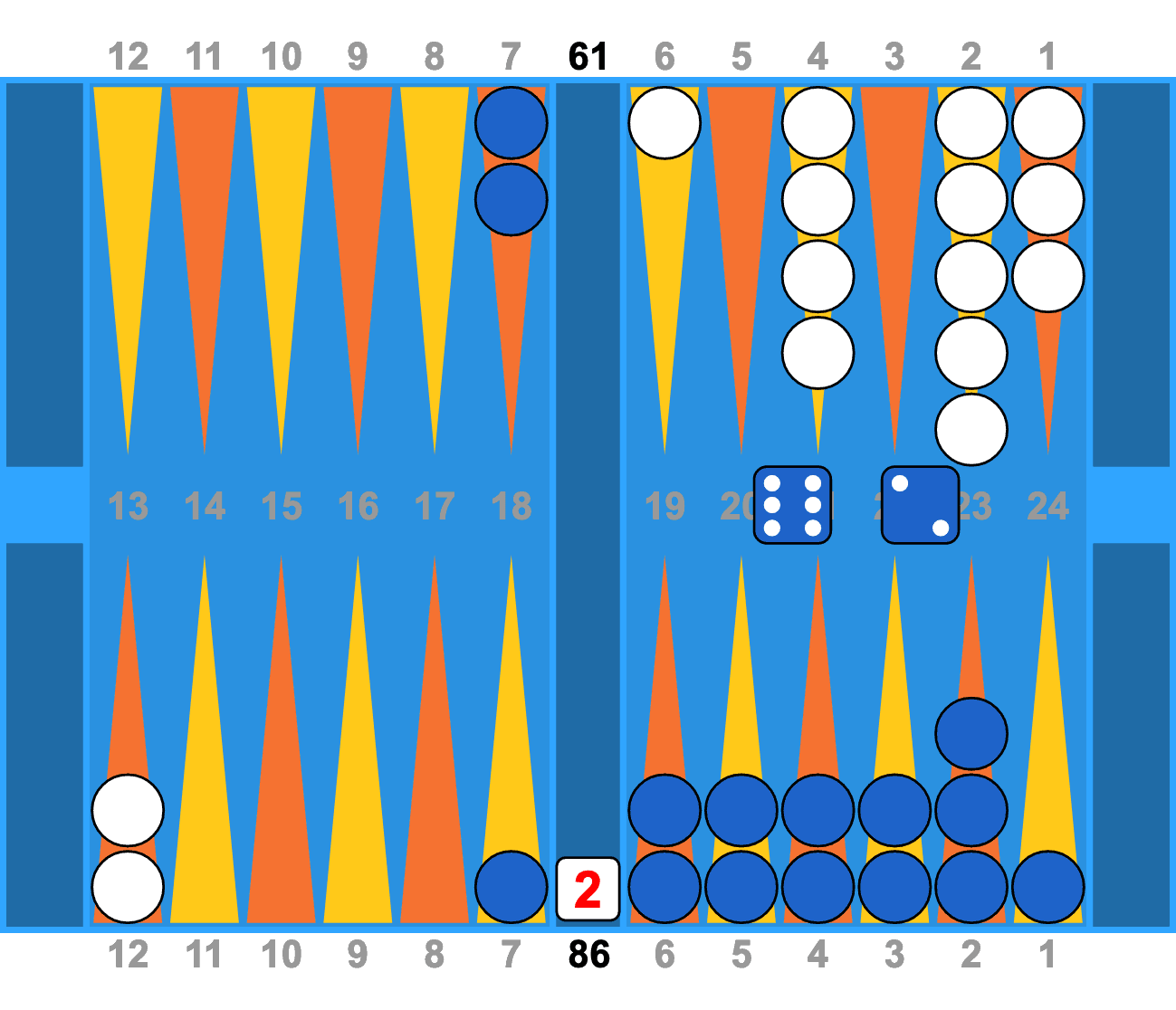
The correct move is 13/9(2), blocking sixes from Red’s 3-pt. Kent Goulding calls this “nine

It is remarkable that only one commenter got this correct. I also got it wrong over the board.

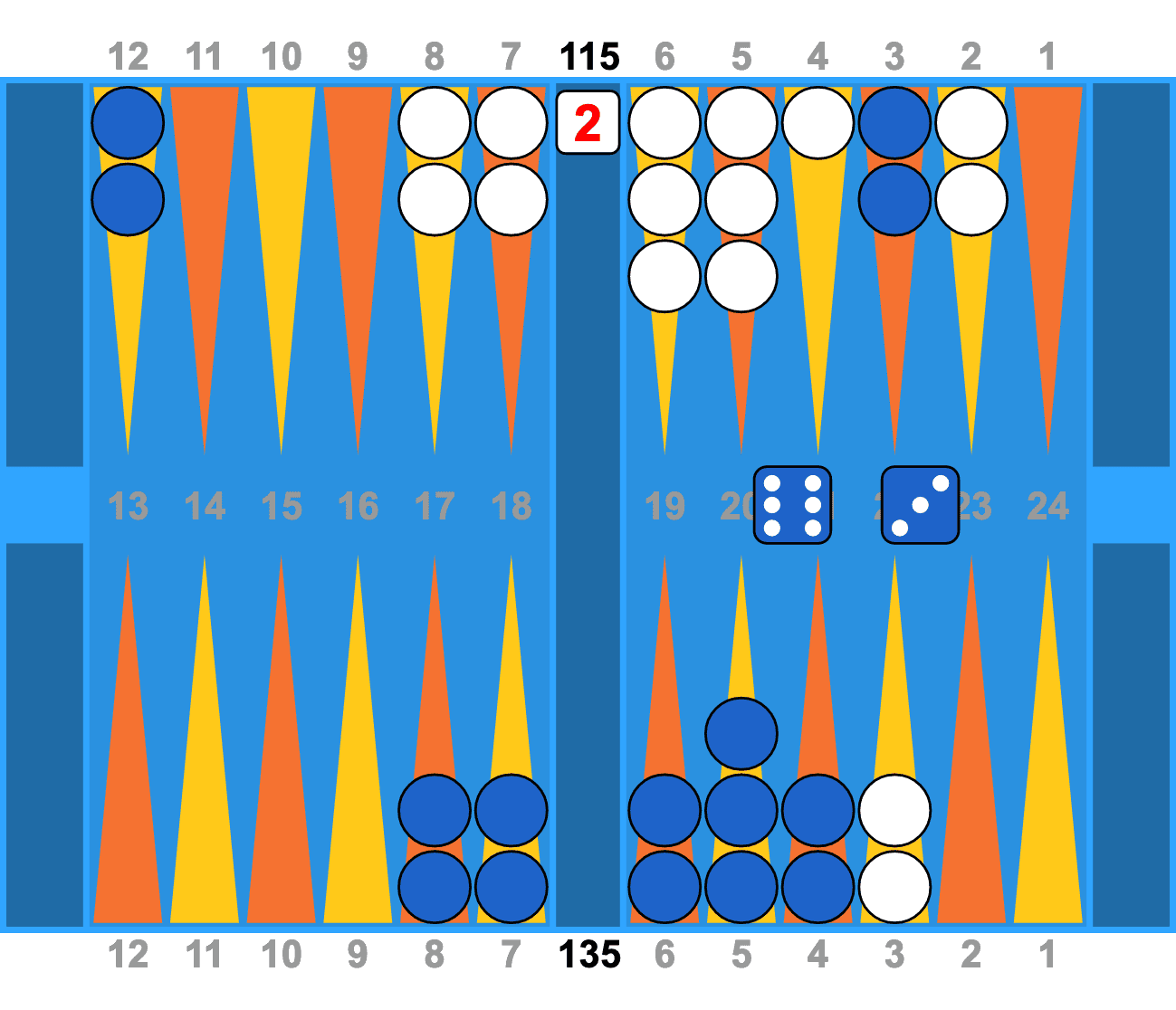
Although it is close all moves other than 8/5, 8/3 are errors.

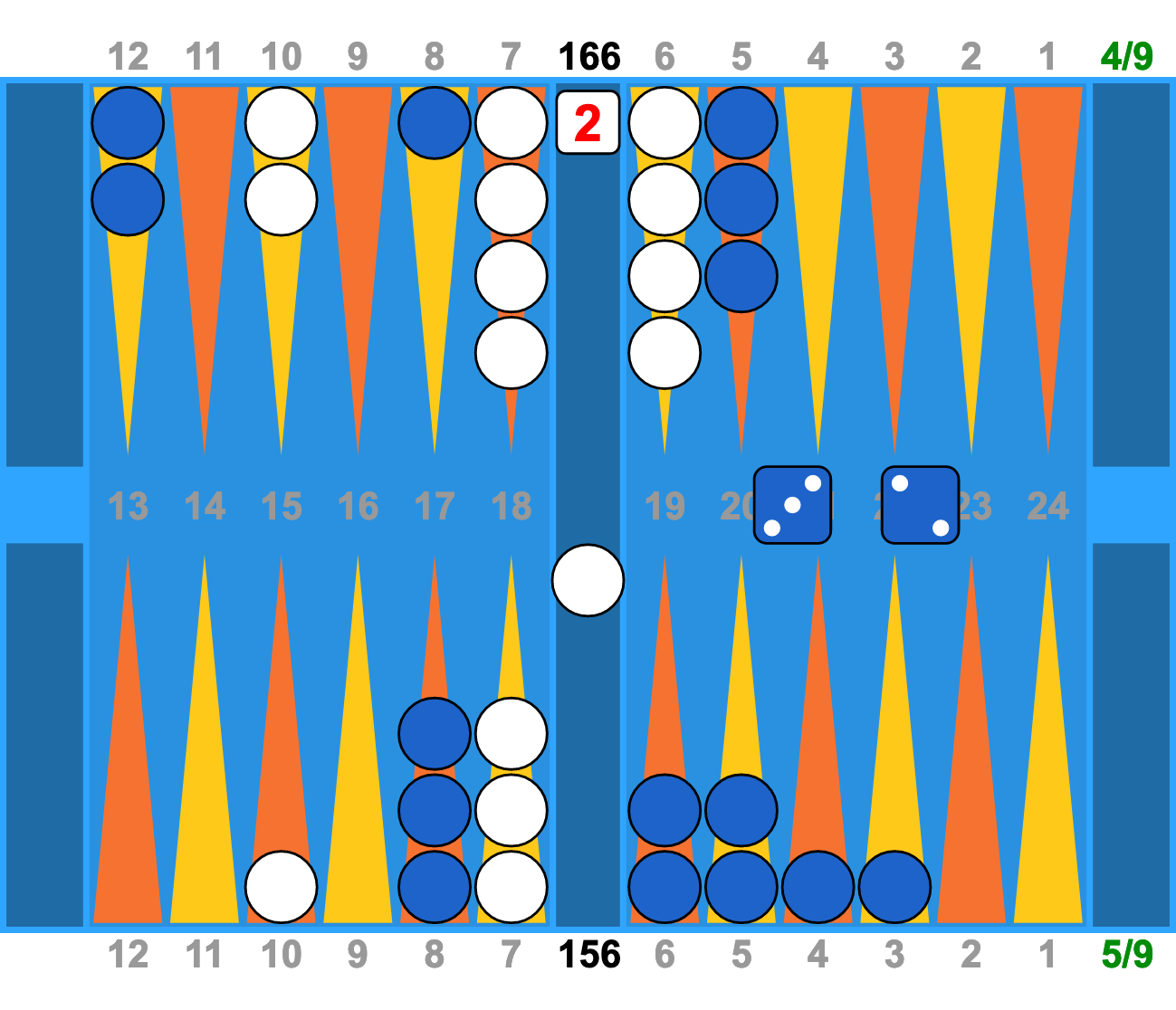
The kay is that White has two

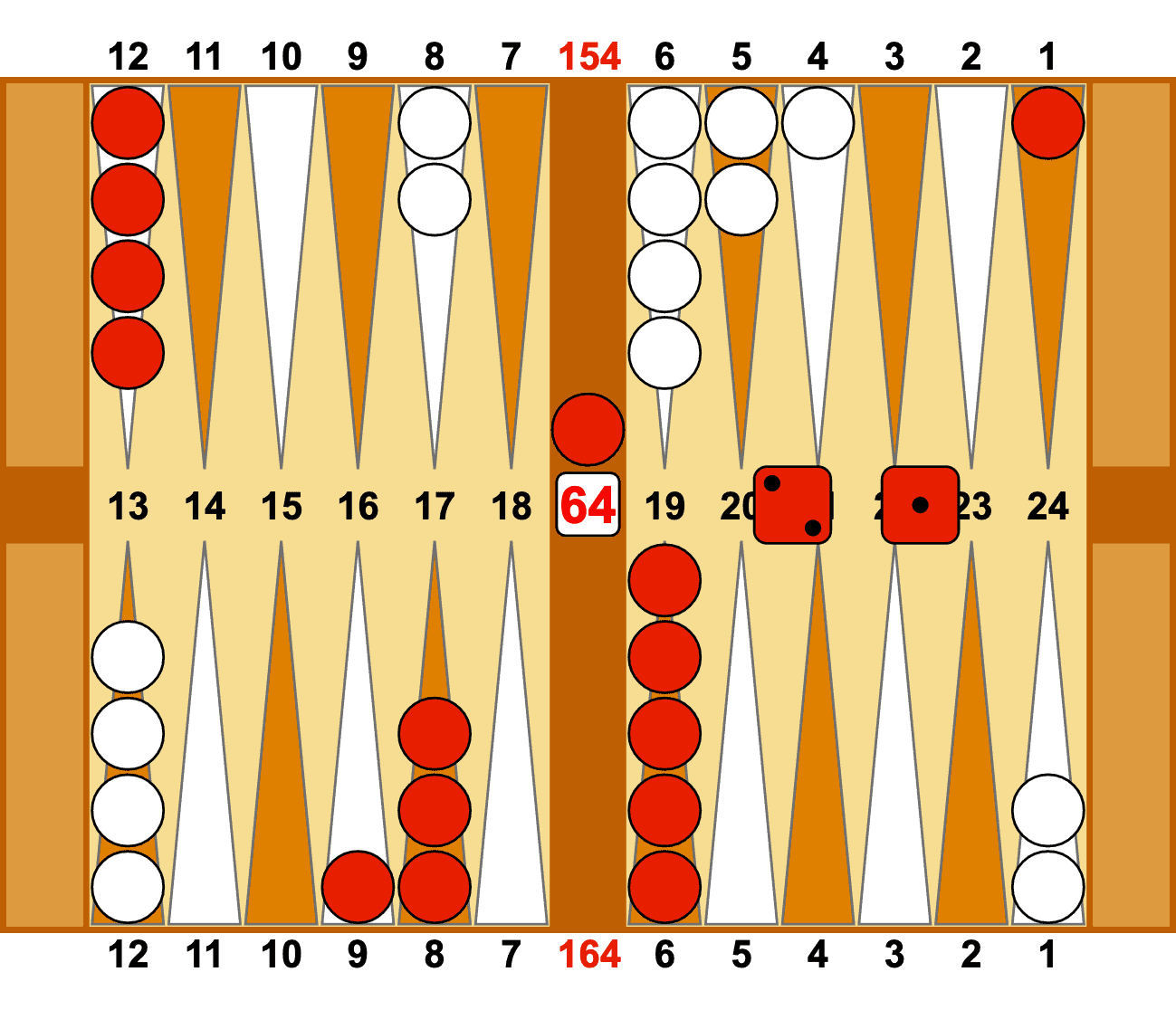
Most players get this problem wrong. After we discard the very ugly 11/7, 6/4 we are left with two choices, slotting the 5-pt with 11/5 or running a back checker with 22/16.

Because White

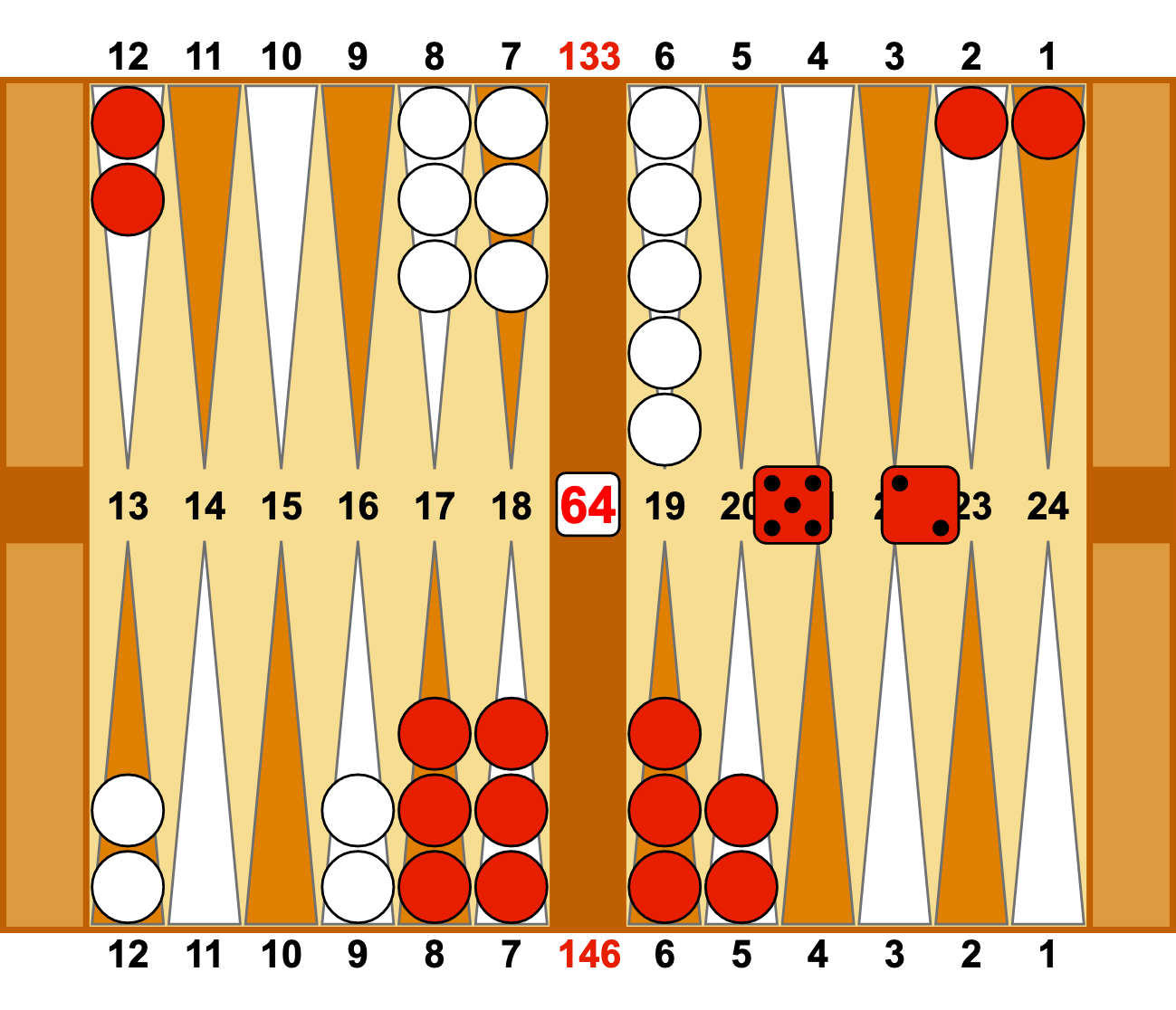
The solution to this problem is not obvious. The race is equal, but White has the upper hand with a five-point broken prime and fully escaped rear checkers.

Red could stay with the butterfly

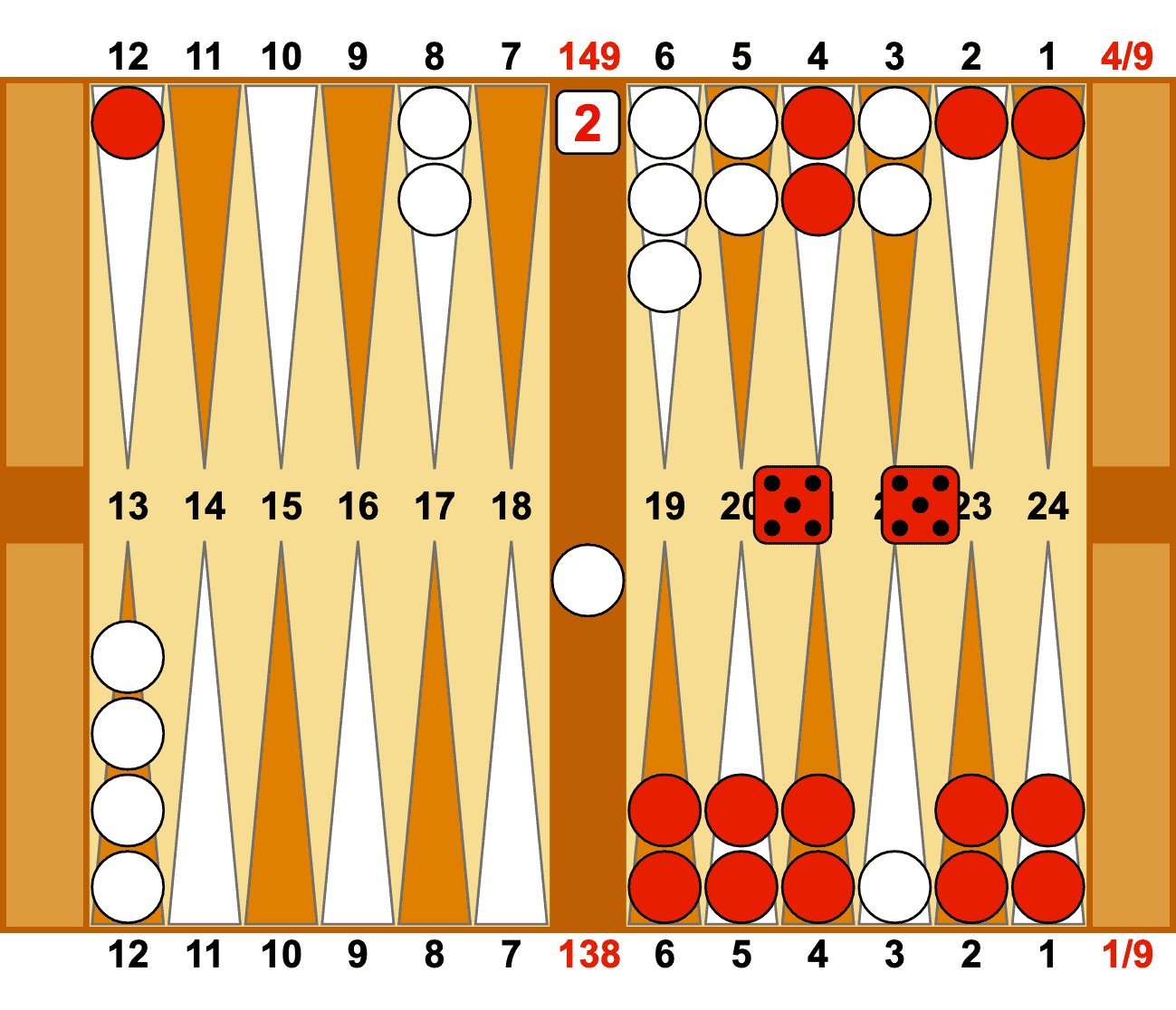
I posted this position to demonstrate how even a one-point difference in the match score can radically change the doubling decision. For money this position is a double and a take (just)

White has an awkward structure, so Red does not want to help White get those checkers home. This means that 24/18 must be eliminated form any move selection. That gives White what we

These early rolls are often tricky to play and often there is little to choose between the various plays.

That is the case here where there are a lot of possibilities. Red can be provocative